
Preparing Your Lawn for Mowing Season (Starting in April)
As we move through March, lawns are slowly waking up from winter dormancy. While mowing season doesn’t typically begin until April, what happens in March plays a big role in how your lawn performs throughout the year.
This month is about understanding growth patterns, avoiding common mistakes, and setting your turf up for success.
What’s Happening to Your Lawn Right Now?
Most lawns in our area are made up of cool-season grasses like:
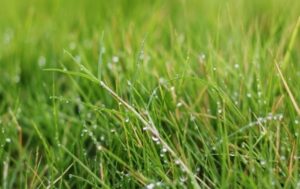
- Tall fescue
- Kentucky bluegrass
- Perennial ryegrass
These grasses begin active growth when soil temperatures consistently reach about 50–55°F. Even if top growth looks minimal, root systems are beginning to re-engage beneath the surface. That early root activity is critical — and how you treat your lawn now affects density and durability later.
When Should You Mow for the First Time?
In Frederick County, first mowing typically happens early to mid-April, depending on weather conditions.
A few key guidelines:
- Never remove
- Wait until grass reaches 3–4 inches before the first cut more than one-third of the blade height
- Ensure the lawn is dry to prevent rutting and clumping
- Use sharp mower blades to avoid tearing grass
Cutting too early — or too short — can stress grass that is still stabilizing from winter dormancy.
Ideal Mowing Heights for Cool-Season Lawns
One of the most common mistakes in our region is mowing too short in spring.
Recommended heights:
- Tall Fescue: 3–4 inches
- Kentucky Bluegrass: 2.5–3.5 inches
- Perennial Ryegrass: 2.5–3 inches
Taller grass blades:
- Promote deeper root growth
- Shade out weed seeds
- Improve drought tolerance
- Reduce stress during summer heat
Short mowing might look clean temporarily, but it weakens turf long term.
Common Early-Season Lawn Mistakes
March and April are when many lawn issues begin. Watch out for:
- Scalping the lawn
Cutting too low exposes soil and invites weeds. - Mowing saturated soil
This compacts soil and damages roots. - Ignoring dull mower blades
Torn grass tips turn brown and increase disease risk. - Over-fertilizing too early
Excess nitrogen before steady growth can create weak, top-heavy turf.
What You Should Be Doing in March
Instead of mowing, focus on:
- Lightly removing winter debris
- Monitoring for snow mold or patch damage
- Checking drainage issues
- Planning aeration if soil is compacted
March is observation month. April is action month.
A healthy lawn isn’t about the first mow — it’s about timing, height, and consistency throughout the season.
As we head toward April here in Frederick, patience is key. Let the soil warm, let the roots activate, and start mowing when growth truly begins.
Your lawn will thank you all season long.