
🍂January Edition: Reading the Winter Landscape
In the Field with Frederick Landscaping | January Edition
👩🌾 By Frederick Landscaping, Landscape Design and Sales
Frederick Landscaping | Serving Maryland
January has a way of stripping things back. The noise fades. The leaves are gone. What’s left is structure, intention, and possibility.
This month’s field research took me from active job sites to quiet winter gardens and briefly, to Florida (yes, it was warm and no, I wasn’t ready to come home). Even in what many consider the “off-season,” there was plenty worth noticing if you slowed down enough to look.
A Path That Changed Everything
One of the most satisfying moments this month came from a steep backyard that finally became usable.
We installed natural stone colonial steppers to create a safe path down the slope, connecting the upper deck to a lower patio and a nearby community walking trail. Watching the crew work and then standing back once the stones were set was a reminder that good landscape design isn’t always flashy. Sometimes, it’s simply about making more of the land accessible.
And in winter those stone textures and clean lines really stand out.
Holiday Decor Highlights Hardscapes
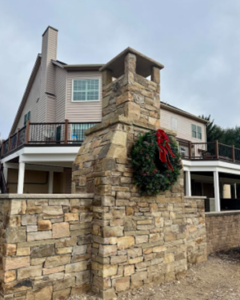
Two photos in my camera roll show holiday wreaths decorating an outdoor fi
replace and patio columns; both permanent features of a larger outdoor living project.
I love seeing how seasonal décor highlights the bones of a space. Fireplaces, columns and hardscape don’t disappear in winter; they become anchors. A reminder that outdoor spaces don’t shut down this time of year…they just shift moods.
 Holiday Finds and New Year Inspiration
While shopping for holiday gifts, I did a little field research of my own and added two titles to my wish list:
Oaklore: Adventures in a World of Extraordinary Trees
How to Read a Tree: Clues and Patterns from Bark to Leaves
January is the perfect month for this kind of reading. With leaves off the trees, you’re forced to pay attention to form, bark, branching and habit…the subtle clues that trees reveal when everything else goes quiet.
Tropical Lessons in a Winter Pause
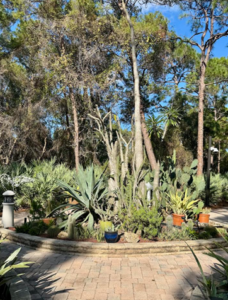
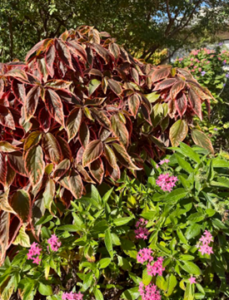
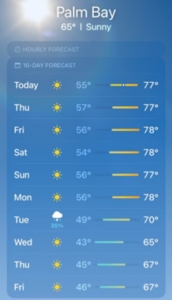
A quick escape south came with a weather forecast full of sun and warm temperatures and gardens that were very much still awake.
Pentas and acalypha were still adding color, while a succulent garden caught my eye for its structure and resilience. It may come as a surprise that some plants with a tropical appearance like yucca and prickly pear can survive Maryland winters. Used in the right spot, they’re excellent candidates for hot, dry areas that resist more traditional plantings.
Poinsettias: A Tropical Imposter
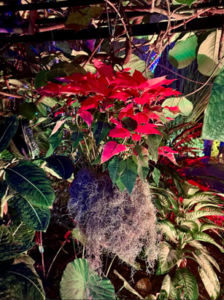 In Florida, poinsettias can remain outdoors without the layers of protection they need to survive winter conditions in Maryland.
Despite their reputation as winter plants, poinsettias are tropical by nature. Their association with Christmas comes from timing and tradition, not cold temperatures.
If you’re trying to keep one alive indoors:
- Bright, indirect light
- Even moisture (not soggy)
- Protection from cold drafts
If you’re feeling ambitious, you can coax it to color again next year with consistent darkness starting in early fall. It’s part science experiment, part patience test.
Witches’ Brooms & Unexpected Origins
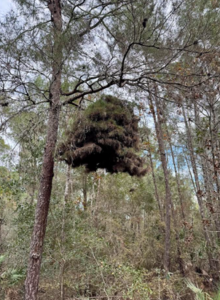 Another standout moment this month was spotting a witches’ broom on a pine tree: a dense, tangled mass of growth that looks slightly magical and slightly suspicious.
These formations are naturally occurring mutations, sometimes caused by pests, fungi, or genetic changes.
The interesting part? Many of the dwarf evergreens we love today originated from witches’ brooms that were discovered, propagated and cultivated.
A reminder that some of the plants we value most began as unexpected variations that were noticed because someone was paying attention.
Learning a New Kind of Gardening
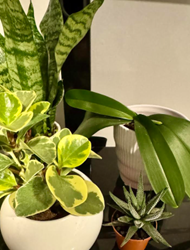 This month also marked the beginning of my indoor plant journey.
I’ll admit it’s unfamiliar territory. I’m very much an outdoor gardener and indoor plants have tested my patience more than once. But I’ve decided to lean into learning: light levels, humidity, restraint with watering and accepting that this is an entirely different rhythm of gardening.
It’ll be interesting to see where it leads.
Planning Understory Plantings in Winter
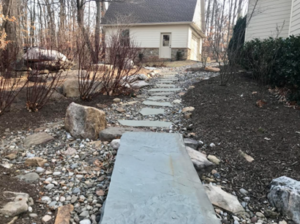 One final image from January shows a winter garden anchored by red stem dogwood. With everything stripped back, it’s easy to see where there’s opportunity.
Winter is actually an ideal time to start planning understory plantings:
- You can clearly see bare mulch and open space
- Sunlight reaches the ground before the canopy returns
- Early spring bulbs and perennials can take advantage of that brief window
These plants add early color, then quietly step back as larger plants leaf out above them.
Final Thoughts
January reminds me that gardens never stop working; they simply change pace. This is the season of observation, planning and noticing what’s usually hidden beneath the noise of growth.
That’s this month’s field research.
See you next month!
– Frederick Landscaping